Entry · Ref 2ZN8A0FH
Why a Pizza Restaurant Is Ideal for Group Gatherings
- Posted
- 2026-10-30
- Last amended
- 2026-10-30
- Account
- @sethfhtw345

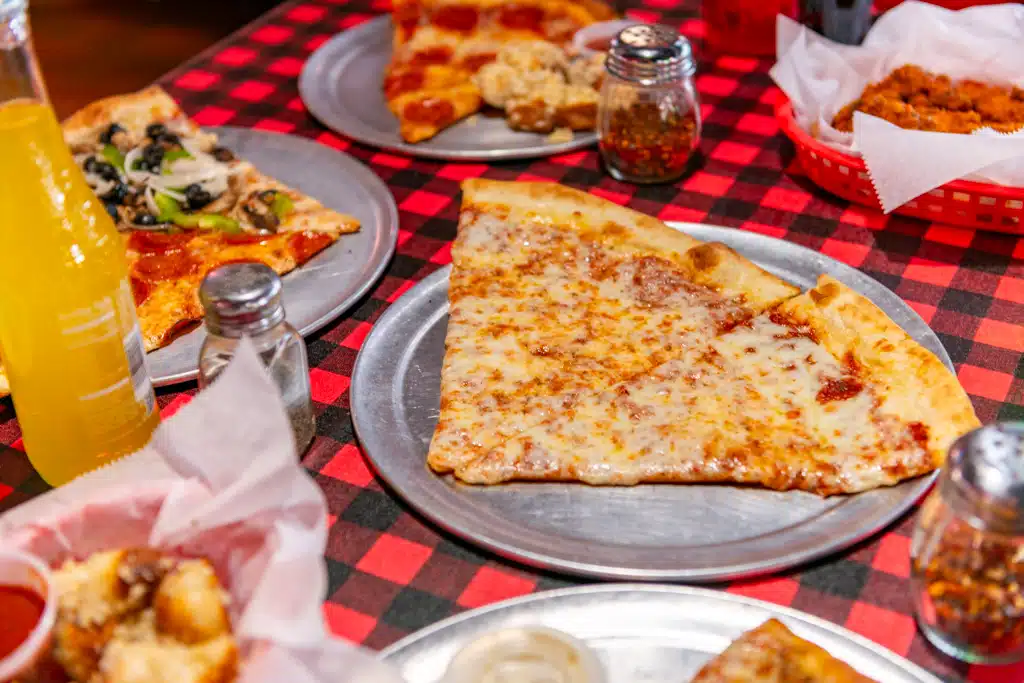
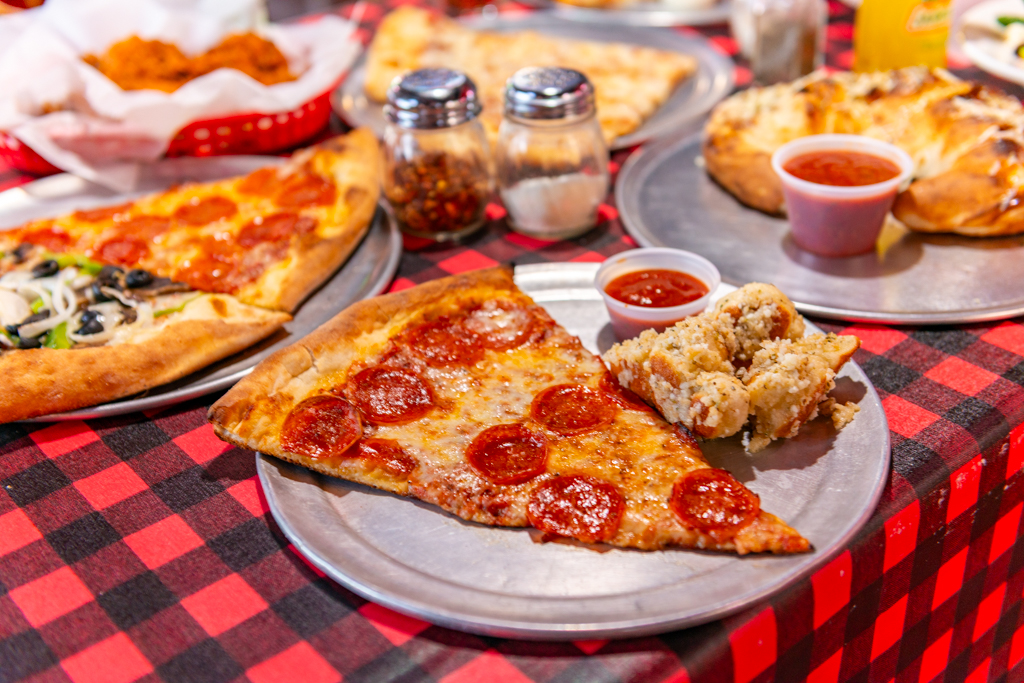
Anyone who has organized a dinner for more than six people knows the real challenge is not choosing a date. It is choosing a place that keeps the group comfortable, fed, and in a good mood without turning the evening into a logistics exercise. That is where a good pizza restaurant earns its reputation. It solves problems that many hosts do not see coming until they are standing in a crowded lobby, apologizing for a delayed table and trying to remember who ordered the gluten-free entrée.
Group dining sounds simple on paper. In practice, it is a balancing act between budget, appetite, timing, dietary needs, noise level, parking, service speed, and the fact that not everyone wants the same kind of night out. Some people want a proper meal. Others want to snack and talk. A few arrive starving. One person is always late. Another brought two unexpected guests. Pizza handles these variables better than almost any other restaurant format.
That flexibility is the main reason a pizza restaurant works so well for birthdays, team outings, family reunions, casual celebrations, youth sports dinners, and friend groups that simply need an easy place to gather. The setting is informal enough to relax people, but structured enough to keep a large table moving. The food is familiar, shareable, and easy to scale. Most important, pizza creates a social rhythm that suits groups. People reach, talk, pass plates, compare slices, and settle in.
The menu naturally fits the way groups actually eat
Many restaurants are designed around individual ordering. Every guest studies a menu, makes a separate decision, and waits for a plated meal that belongs only to them. That model works for smaller parties, but it gets slower and more complicated as the group grows. A pizza restaurant changes the dynamic. Instead of twelve separate meals arriving at twelve different moments, the table can share food in waves.
That matters more than it may seem. Shared food reduces dead time. It also lowers the pressure on each guest to commit to one dish they may or may not love. A table can order several pies with different toppings, maybe a salad or two, perhaps some wings or garlic knots, and let everyone build their own meal from the spread. People eat at their own pace without the evening stalling around one person’s entrée.
I have seen this play out in every kind of gathering. At office dinners, pizza removes the awkwardness that can come with expensive individual orders, especially when junior staff are sitting with managers. At family events, it lets children and adults eat side by side without creating two separate meal plans. At casual celebrations, it gives the host more control because the table can keep adding food as needed rather than guessing every appetite in advance.
There is also a practical truth that experienced hosts learn quickly. Group appetites are uneven. One teenager might eat four slices before others touch their second. One grandparent might prefer a light portion and a salad. One guest may want no meat, another extra cheese, another a white pie, another classic pepperoni. Pizza accommodates these differences without making them feel like special cases.
Pizza keeps the budget predictable
Cost is often the invisible force behind venue decisions. People may say they care most about atmosphere, but budget determines whether a gathering feels generous or strained. A pizza restaurant usually offers one of the cleanest value propositions in dining. Hosts can estimate spend with reasonable accuracy, and guests generally feel they are getting a satisfying meal without sticker shock.
A large group at a steakhouse or trendy small-plates restaurant can produce a bill that grows faster than expected. Add appetizers, individual entrées, drinks, dessert, tax, and gratuity, and the final total can surprise even seasoned planners. Pizza is different. The pricing structure is easy to understand. Large pies serve a known range of people. Add-ons are visible. Portions are intuitive.
That predictability helps in situations where someone else is paying. A coach planning an end-of-season team meal needs numbers that fit a real budget. A department administrator booking lunch for a staff gathering needs options that will not invite expense reports full of surprises. A parent organizing a birthday dinner for twelve teenagers needs to know that feeding everyone does not require a second mortgage.
Value also has a psychological component. Guests tend to relax more when they sense the host is not counting every order. At a pizza restaurant, people are less likely to hesitate before taking another slice, ordering a soda, or sharing dessert. That ease contributes to the atmosphere. It removes the quiet tension that can creep into group meals when everyone senses the table has crossed into expensive territory.
The atmosphere supports conversation rather than ceremony
Not every gathering needs white tablecloths, hushed voices, or formal pacing. Most group events work better when the room gives people permission to talk freely. A pizza restaurant usually strikes that balance well. It is lively enough that the table can laugh, move around, and speak naturally, but not so rigid that guests feel they need to perform good behavior for the room.
This is especially useful for groups that mix ages, personalities, or levels of familiarity. At a formal venue, shy guests can retreat into silence. At a pizza restaurant, the environment does some social work for you. The sound of the room softens pauses. Shared plates create natural interaction. Someone asks for the red pepper flakes, someone else reaches for the last mushroom slice, and suddenly the table is engaged without effort.
For hosts, this atmosphere lowers the risk of the night feeling overly produced. There is less pressure for perfect timing, perfect outfits, perfect etiquette. Guests can arrive a little windblown from work, soccer practice, or traffic and still feel entirely in place. That matters because many successful gatherings are not built on elegance. They are built on comfort.
There is a reason so many milestone moments happen over pizza even when people could afford something fancier. Engagement after-parties, graduation dinners, reunion meetups, and post-game celebrations often thrive in spaces that feel grounded and welcoming. People remember the ease of the evening, not the formality of the place.
It handles mixed ages better than most restaurant formats
If your group includes children, teenagers, adults, and older relatives, restaurant choice becomes more than a culinary decision. It becomes an exercise in compatibility. Few concepts perform as consistently as a pizza restaurant in that environment.
Children recognize the food and usually eat it without negotiation. Teenagers can eat enough to feel satisfied. Adults have room to branch into specialty pies, salads, antipasti, or more refined options if the restaurant offers them. Older guests often appreciate straightforward choices and a familiar setting over trend-driven menus packed with obscure ingredients.
That multigenerational strength is easy to underestimate. Many restaurants skew too far in one direction. Some are too loud and chaotic for grandparents. Others are too polished and slow for restless children. Some offer menus that thrill adventurous diners but leave half the table searching for a safe option. Pizza sits in the middle in a useful way. It can be simple or elevated, familiar or creative, casual or slightly upscale depending on the restaurant, but it rarely alienates a broad group.
I have watched hosts rescue family gatherings by switching to pizza after a failed first attempt elsewhere. The common pattern is that everyone relaxes once the food becomes recognizable and easy to share. The adults stop refereeing the menu. The children stop negotiating every bite. The table settles into conversation because the meal itself no longer demands constant management.
Service tends to move at a pace that suits gatherings
One reason group dinners fall flat is poor pacing. If food arrives too slowly, guests grow restless and start checking their phones. If it arrives all at once in a chaotic rush, the table gets crowded and no one knows where to put anything. The best pizza restaurants are unusually good at managing this middle ground because their service model is built around throughput and sharing.
Pies can come out in rounds. Appetizers can land quickly while late arrivals catch up. The kitchen can adjust if the group realizes it needs one more large pizza halfway through the meal. This flexibility is hard to replicate in restaurants where every plate requires separate preparation and precise timing.
Speed matters most when the gathering has a practical time limit. Weeknight team dinners, school events, business lunches, and pre-event meals all benefit from a restaurant that can feed ten or fifteen people efficiently. Nobody wants a celebratory dinner to feel rushed, but people also do not want to spend three hours waiting for the mechanics of service to catch up with the size of their party.
A pizza restaurant often threads that needle well. Guests feel looked after without being trapped. The meal has shape, but it also has momentum.
Sharing food changes the social energy of the table
There is something fundamentally communal about pizza. It invites movement and interaction. That sounds obvious, but it has real social value. A https://dallasbfde953.lowescouponn.com/why-date-night-at-a-pizza-restaurant-never-gets-old group gathered around shared pies behaves differently from a group waiting for individual entrées. The former is collaborative. The latter is parallel.
When people share, they make small decisions together. Which toppings should we try. Do we want one classic pie and one more adventurous one. Should we add another order of breadsticks. These are tiny negotiations, but they help create a sense of group participation. They also break down social barriers, which is useful when not everyone knows each other well.
This is why a pizza restaurant works particularly well for blended groups, such as a birthday dinner where college friends meet coworkers, or an office outing where departments are mixing for the first time. Shared food creates low-stakes interaction. It gives people something to talk about that is immediate and accessible. No one needs specialist knowledge to comment on whether the hot honey pie was worth ordering again.
Even seating arrangements become more forgiving. At a traditional restaurant, the far end of a long table can feel disconnected. In a pizza setting, plates and serving stands move around, people lean in, and interaction spreads more naturally. It is not magic, but it is a different social mechanism, and it usually works in the group’s favor.
There is room for different kinds of preferences
The old joke is that everybody likes pizza until the order starts. One person wants thin crust, one wants deep dish, one wants no dairy, one wants pineapple, and somebody else insists that pineapple ruins civilization. A strong pizza restaurant is built to handle this level of disagreement.
This is not true of every concept. In some restaurants, accommodating preferences means producing a completely separate dish for each person. At a pizza restaurant, the same table can order a vegetarian pie, a meat-heavy pie, a half-and-half combination, and a gluten-conscious option if the restaurant supports it. Nobody has to pretend there is one universal taste.
That said, good hosting still matters. If the group is large, it is wise to order at least one plain or widely acceptable option before moving into more divisive territory. You do not want the first pizza to land and discover it is topped with ingredients only three people enjoy. Experience teaches moderation. Crowd-pleasers first, experiments second.
This adaptability also makes a pizza restaurant a practical choice for work events, where dietary habits can vary widely and nobody wants attention called to their restrictions. A guest who does not eat meat or prefers lighter fare can build a meal from available options without turning their plate into a discussion topic.
The format works for both planned events and spontaneous get-togethers
Some group meals are booked weeks in advance. Others happen because six people leave a meeting hungry and someone says, "Let’s just grab something." Pizza suits both extremes.
For planned events, a pizza restaurant often offers reservation options, large tables, catering trays, family-style ordering, and private or semi-private spaces. The host can pre-arrange a menu, estimate portions, and keep the evening moving with minimal fuss. This is useful for birthdays, club meetings, rehearsal dinners with a casual tone, alumni mixers, and youth group events.
For spontaneous gatherings, the same restaurant may work because the ordering process is simple and forgiving. You do not need a long strategy session to decide what to eat. A few pizzas and drinks can be on the table quickly. If more people show up, the kitchen can usually absorb the change with less disruption than a more formal operation.
That flexibility matters in real life because not every group event fits neatly into a polished plan. Delays happen. Head counts shift. Weather changes. Kids bring friends. Coworkers invite partners. A pizza restaurant tends to absorb these variables with less drama than venues built for tighter choreography.
The best pizza places understand groups at an operational level
Not every pizza restaurant is automatically ideal. The strongest ones have learned how groups behave and have built their service around it. They know that split checks can slow things down, that pitchers and shareable starters matter, that the host needs clear communication, and that one extra large pie at the right moment can save a table from getting cranky.
Good operations show up in details. Seating is arranged so people are not elbowing each other every time a pizza lands. Staff pace the table without hovering. The menu offers enough variety to keep interest high without becoming cumbersome. Restrooms are accessible. Parking is manageable or delivery pickup is efficient if the group is meeting elsewhere. Noise is energetic rather than punishing.
When choosing a venue, it helps to think beyond the food and consider the mechanics of the evening. A pizza restaurant earns its reputation not just through flavor, but through its ability to make a group feel easy to handle.
A few practical considerations before you book
Choosing the right place still requires judgment. Not all pizza restaurants are the same, and group success often depends on a handful of operational details rather than the menu alone.
- Ask about table capacity and whether the group will be seated together or split.
- Confirm how the restaurant handles dietary restrictions, especially gluten and dairy concerns.
- Find out whether they can pace orders in rounds instead of sending everything at once.
- Clarify billing, gratuity, and whether split checks are practical for your party size.
- If children are coming, ask about high chairs, booster seats, and peak noise times.
These details may sound mundane, but they often determine whether the night feels smooth or stressful. A brilliant pizza means less if half the party is stuck waiting for seats or the billing process turns into a 20-minute negotiation.
When pizza may not be the right fit
A professional assessment should admit trade-offs. Pizza is highly versatile, but it is not perfect for every gathering. If the event depends on absolute quiet, such as a sensitive business negotiation or a formal anniversary dinner with a more intimate tone, a lively pizza restaurant may feel too casual or noisy. If the group includes guests with highly restrictive diets that the restaurant cannot safely accommodate, another venue could be wiser. Likewise, if the goal is to create a luxury dining experience built around coursed service and wine pairings, pizza may not deliver the atmosphere you want.
Still, those cases are narrower than many people assume. There are modern pizza restaurants with strong wine lists, polished interiors, and menus that go well beyond basic pies. There are neighborhood spots with private rooms that handle business lunches efficiently. There are wood-fired places that feel date-worthy and family-friendly at the same time. The category is broad, which is part of its strength.
The real question is not whether pizza is sophisticated enough. It is whether the restaurant matches the purpose of the gathering. For many groups, the best venue is not the most impressive one. It is the one that feeds everyone well, keeps the energy warm, and lets the people at the table focus on each other.
Why hosts keep coming back to it
Repeat behavior tells the truth. People return to pizza restaurants for group gatherings because the model works. It lowers friction at nearly every stage of the event. Planning is easier. Ordering is easier. Paying is easier. Eating is easier. Socializing is easier.
That ease does not make the experience bland. In fact, it often makes it better. When the basics are handled smoothly, guests have more room to be present. They can celebrate, catch up, joke around, toast a milestone, or simply enjoy an ordinary night made better by good company and hot food landing at the center of the table.
A memorable gathering rarely depends on perfect choreography. It depends on whether people feel comfortable enough to stay a little longer, order one more pie, and keep talking. That is the quiet advantage of a pizza restaurant. It gives groups exactly what they need, often without anyone noticing just how much work it saved.