Entry · Ref VPCMXY1C
What Defines Authenticity in a Pizza Restaurant
- Posted
- 2026-11-10
- Last amended
- 2026-11-10
- Account
- @sethfhtw345
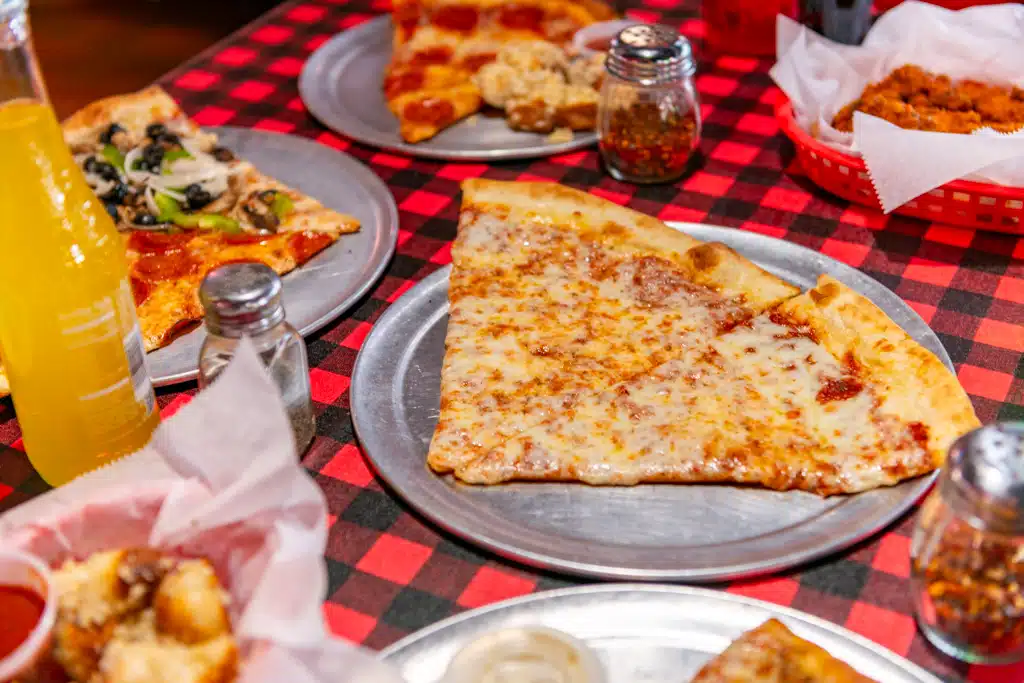
Authenticity gets used so loosely in the restaurant business that it often stops meaning much. A place hangs a few black-and-white photos on the wall, installs a wood-fired oven, imports canned tomatoes, and suddenly calls itself authentic. Guests hear the word so often that many have learned to distrust it.
Yet diners still know when a pizza restaurant feels real. They sense it before they can always explain it. It shows up in the dough, certainly, but also in the pace of service, the restraint of the menu, the sound of the dining room, the confidence of the cooks, and the way the whole operation makes decisions. Authenticity is not a single style, and it is not a costume. It is integrity between what a restaurant claims to be and what it actually does, day after day, under pressure.
That matters because pizza sits in an unusual place in food culture. It is beloved, familiar, democratic, and highly regional. A guest may accept broad creativity in one context and reject it in another. A Roman al taglio shop, a New York slice counter, a Neapolitan pizzeria, and a Midwestern tavern-style spot can all be authentic, even though the pies are radically different. The common thread is not strict sameness. It is honesty, craft, and coherence.
Authenticity starts with a point of view
The most authentic pizza restaurant usually knows exactly what it is trying to make. That sounds obvious, but it is where many places drift. Owners sometimes chase trends, adding Detroit squares because those are hot, burrata because that sells, and truffle oil because somebody on social media asked for it. Before long, the menu reads like a compromise between five different restaurants.
A strong point of view narrows choices. If a shop is built around classic New York slices, then the dough should support that identity, the oven setup should suit it, the cheese blend should melt and brown in the expected way, and the reheating process for slices should be treated as part of the craft rather than an afterthought. If the concept is Neapolitan, then softness in the center, leopard spotting on the crust, and fast bake times are not flaws to explain away. They are features of the style.
Guests often call a restaurant authentic when they can feel that discipline. They may not use technical language. They simply notice that nothing seems random. The menu makes sense. The room makes sense. The service makes sense. Even the imperfections make sense.
I once watched a chef politely refuse to put chicken, ranch, and pineapple on a pizza in a small regional Italian restaurant that specialized in thin, blistered pies with simple toppings. He was not rude. He offered alternatives and explained that the dough and bake were developed for a different balance. The table laughed, ordered something else, and ended up loving it. Another operator in a different setting might have said yes without blinking, and that too could be right. Authenticity was not in the refusal alone. It was in the restaurant protecting a clear identity instead of bending at every request.
Dough tells the truth faster than decor
If you want to know whether a pizza restaurant is serious, pay attention to the dough. It reveals more than the tile, the soundtrack, or the imported olive oil bottle on the counter.
Good dough reflects time, control, and repetition. That does not mean there is one correct formula. Hydration varies by style. Fermentation can be same-day, overnight, or several days. Flour choice depends on desired structure, color, extensibility, and flavor. What matters is whether the dough behaves with consistency and intention.
An authentic pizza restaurant understands the trade-offs. A longer fermentation can develop flavor and digestibility, but it also demands refrigeration space, forecasting discipline, and staff who know how to handle a lively dough. A high-hydration dough can create a beautiful open crumb, but if the team lacks oven control or shaping skill, it can collapse into gummy centers and burnt rims. A lower-hydration dough may look less romantic on Instagram, yet it can be exactly right for a foldable slice with structure.
Guests may not know the technical reasons, but they recognize the result. The crust should taste like something on its own, not just serve as a topping delivery system. It should brown with character. It should have the texture the style promises. It should feel alive.
This is one place where authenticity becomes very practical. A restaurant can claim old-world tradition all day long, but if it mixes dough inconsistently, rushes proofing, or asks undertrained staff to shape every pie differently, the guest will experience the truth in one bite.
Ingredients matter, but not in the way people often think
There is a simplistic version of authenticity that reduces everything to imported ingredients. San Marzano tomatoes, buffalo mozzarella, 00 flour, Parmigiano Reggiano. These ingredients can be excellent, and in some formats they are absolutely worth using. But authenticity is not a shopping list.
A pizza restaurant earns credibility when it knows why each ingredient is there. Imported tomatoes may be ideal for a lightly dressed Neapolitan pie, where the sauce is barely cooked and every variable is exposed. On the other hand, a busy slice shop might need a different tomato product with lower water content, stronger consistency, or a price point that works across volume. The choice is not automatically less authentic if it supports the style honestly and delivers the right balance.
The same is true with cheese. Fresh mozzarella is beautiful, but if it is not drained properly or if it goes on the wrong style of pizza, the result can be a wet center and diluted flavor. Low-moisture mozzarella, often dismissed by diners who think fresh always means better, is foundational for many classic American pies because it melts, stretches, browns, and holds up exactly as those styles require.
Seasonality plays a role here too. Some of the most thoughtful pizza restaurants I have seen use local produce when it is outstanding and avoid forcing it when it is not. Summer tomatoes, good mushrooms, bitter greens, sweet onions, and ripe squash can all shine, but only if the kitchen resists overbuilding the pie. Authenticity often looks like restraint.
A useful test is whether the ingredients seem selected for performance or for storytelling. If every topping sounds impressive but the pizza eats heavy, soggy, or confused, the restaurant is likely curating for image. If the pie tastes balanced and every component has a reason to be there, that is a stronger sign of the real thing.
Technique is culture made visible
Technique is where heritage becomes tangible. Some pizza traditions have formal rules. Others rely more on transmitted habits, local memory, and house practice. Either way, authenticity lives in repeated physical decisions.
How is the dough balled? Hand-stretched or rolled? Is the rim preserved deliberately? How much sauce is too much? Does the cheese go edge to edge or leave a defined border? Is the pie launched onto stone, deck, screen, or steel? How long does it bake, and what signals tell the pizzaiolo it is ready?
These are not trivial details. They shape texture, flavor, and identity.
The best pizza restaurants train these movements until they look almost casual. That ease can fool diners into thinking the process is simple. It is not. A skilled pizza maker makes hundreds of micro-adjustments during service based on dough temperature, ambient humidity, oven recovery, topping load, and ticket flow. On a humid Saturday night, dough that behaved perfectly at 4 p.m. May feel entirely different at 8 p.m. An authentic restaurant responds with judgment rather than script.
That judgment includes knowing what not to change. I have seen operators panic when one customer complains that the center of a Neapolitan pie is too soft, or that the crust of a tavern pie is too thin, or that the char on a wood-fired pizza looks burnt. The insecure response is to dilute the style to avoid friction. The authentic response is to check execution honestly, then stand by the fundamentals if the pizza was made properly.
The oven shapes more than the crust
People love to debate ovens as if authenticity could be settled by fuel source alone. Wood-fired has romance. Gas offers control. Electric ovens have improved dramatically. Deck ovens remain the backbone of many classic slice operations. Conveyor ovens, while often underestimated, can be the right tool in certain high-volume environments.
The oven matters, but mainly in relation to the style and the operator’s competence.
A wood-fired oven in inexperienced hands can produce scorched tops and raw undersides all night. A well-run gas deck oven can turn out deeply flavorful, balanced pies with remarkable consistency. Authenticity is not about choosing the most photogenic equipment. It is about selecting a system that fits the pizza and then mastering it.
That mastery affects workflow too. In some restaurants, the oven is theater. Guests watch the pie spin and blister. In others, the oven sits in the background while the counter drives the room. Both can be authentic if they match the concept. Problems arise when the oven is treated as branding while the staff lacks the training to use it properly. A wood stack near the entrance does not make the pizza meaningful.
A short menu often signals confidence
There are exceptions, but many authentic pizza restaurants resist menu bloat. They know that every additional pizza, appetizer, pasta, salad, and dessert complicates prep, slows service, weakens purchasing discipline, and creates more chances to lose focus.
A concise menu tells guests that the kitchen knows its strengths. It also makes quality control easier. If a restaurant offers eight or ten pizzas and executes them beautifully, that usually says more than a place offering thirty-five combinations plus calzones, wings, burgers, and seafood platters. The second model can still work, and in some neighborhoods it may be exactly what the market wants. But market fit and authenticity are not always the same thing.
The most convincing menus tend to show a logic of balance. There is a plain pie because the plain pie is the benchmark. There are a few combinations built on contrast, not clutter. There may be one seasonal special that uses produce at its best. There is enough variety to bring people back, but not so much that the kitchen starts cooking from a catalog.
One practical clue is whether the signature pizzas seem designed for the restaurant’s dough and bake. If a topping combination consistently causes soggy centers or masks the crust, it probably does not belong, no matter how creative it sounds on paper.
Service can be authentic too
When people talk about authenticity, they often focus only on food. That misses a large part of what makes a pizza restaurant believable. Service style should match the restaurant’s identity just as clearly as the menu does.
A bustling slice shop should feel direct, efficient, and unpretentious. Orders move quickly. Slices are reheated properly. Staff know how to manage the line without sounding robotic. A neighborhood pizzeria should remember regulars, pace tables sensibly, and understand that pizza is often a social meal, not a rushed transaction. A more formal full-service place can still feel authentic if the staff can explain the style, guide guests through texture expectations, and steer them away from ordering mistakes without sounding rehearsed.
Nothing breaks the spell faster than service that seems copied from another concept. If the room is casual but the server delivers a stiff lecture about provenance, it can feel forced. If the food is serious but the staff cannot answer basic questions about dough fermentation or portion sizes, confidence drops quickly.
These are signs that a pizza restaurant takes its service identity seriously:
- Staff can explain the house style in plain language.
- The plain pizza is treated as proudly as the specialty pies.
- Timing reflects the format, fast for slices, paced for dine-in.
- Recommendations protect the guest experience, not just average check size.
- Mistakes are corrected cleanly, without defensiveness or theater.
That fifth point matters more than many operators realize. Authenticity is not perfection. Restaurants get slammed. Dough runs ahead or behind. Ovens fluctuate. A pie tears on the peel. What guests remember is often how honestly the team responds.
Place matters, even when tradition travels
A restaurant does not need to be in Naples, New York, or Rome to be authentic. Pizza has traveled too widely for that argument to hold. Some of the most compelling pizza restaurants are nowhere near the regions that inspired them. They become authentic by translating tradition faithfully while respecting local conditions.
That translation is not always easy. Water chemistry changes dough behavior. Climate affects fermentation. Supply chains vary. Customer expectations shift by market. In one city, diners may understand that a true Neapolitan pie arrives soft and must be eaten immediately. In another, they may expect a crisp bottom and a pizza that survives a twenty-minute drive home. An operator has to decide where adaptation becomes compromise.
The strongest restaurants make those choices intentionally. They may adjust fermentation schedules to local temperature swings. They may use different flour blends to solve for consistency. They may tweak bake profiles to fit delivery without pretending that nothing changed. Those are not betrayals. They are acts of craftsmanship.
What feels false is imitation without understanding. A restaurant that copies visual cues from an established tradition but ignores the functional reasons behind them usually ends up with pizza that looks right and eats wrong.
Tradition and innovation are not enemies
There is a persistent myth that authentic pizza must be frozen in time. Real restaurant history tells a messier story. Pizza has always evolved. Ovens improved. Cheeses changed. Migration shaped styles. Economic realities altered ingredients. Entire regional forms emerged because cooks adapted.
So authenticity does not require rejecting creativity. It requires building creativity on top of understanding. A chef who knows the grammar of a style can write original sentences with it. A chef who does not often produces noise.
Some https://gunnerkzbs134.cloudhinter.com/posts/why-a-local-pizza-restaurant-is-perfect-for-casual-dining of the most memorable pizzas I have eaten were inventive without being gimmicky. One used roasted onions, anchovy, and a restrained amount of cream on a dough that could support richness. Another combined local mushrooms and a firm sheep’s milk cheese on a naturally leavened crust with enough acidity to keep the pie from feeling heavy. Neither pizza was traditional in a strict sense. Both felt authentic because the ideas respected the structure of the form.
Innovation becomes suspect when it seems detached from eating quality. Piles of toppings, novelty sauces, dramatic drizzles, or viral crossovers may generate attention, but they often work against the balance that makes pizza satisfying. Authenticity asks a simple question: does the new idea deepen the restaurant’s identity, or merely advertise it?
Price, value, and the honest economics of pizza
Few subjects create more confusion than pricing. Guests sometimes expect pizza to remain inexpensive because of its working-class roots, even when ingredient and labor costs have changed dramatically. Operators, meanwhile, may overreach by using authenticity as a justification for pricing that the experience does not support.
A serious pizza restaurant has to navigate this carefully. Long fermentation requires labor planning. Skilled staff cost money. Quality cheese, flour, tomatoes, and cured meats are expensive. Wood, rent, insurance, and utilities all climb. It is not unreasonable for a well-made pie to cost far more than it did a decade ago.
Still, value remains central to the category. An authentic restaurant usually understands where to spend and where to simplify. It might offer fewer toppings instead of piling on premium ingredients for marketing value. It might keep the room modest and direct more budget into dough production and oven maintenance. It might price the plain pie attractively because it knows that pizza culture should remain accessible.
Guests are surprisingly fair when they can see the logic. They resist feeling manipulated. A pizza restaurant that charges a premium while serving inconsistent crust, careless slices, or undertrained service will struggle, no matter how beautiful the branding is.
The room should support the food, not compete with it
Design has its place. A pizza restaurant should feel intentional. But authenticity rarely comes from overdesigned nostalgia. Faux rustic finishes, staged flour sacks, old-country murals, and theatrical Italian phrases can become visual noise if the food lacks substance.
The strongest rooms often have a lived-in practicality. They are designed for heat, traffic, acoustics, and turnover. Counters are placed where staff can move efficiently. Tables fit the way people actually eat pizza, sharing, leaning in, reaching across for another slice. Lighting allows the pie to look appetizing without turning the dining room into a stage set.
Even details like plate choice, takeaway packaging, and napkin quality affect credibility. A restaurant that understands its style knows whether the guest should eat off a tray, a plate, or a paper-lined basket. It knows whether takeout pizza needs vented boxes, reheating guidance, or slice separators. None of this is glamorous, but all of it contributes to the sense that the operation respects the food.
What experienced diners notice first
People who eat a lot of pizza tend to assess a place quickly, often within the first few minutes. They look for specific signs, many of them small.
Here is what usually stands out:
- Whether the plain cheese or margherita is presented as a serious benchmark.
- Whether the crust has color, aroma, and structural purpose.
- Whether the menu shows focus rather than trend-chasing.
- Whether staff seem fluent in the house style.
- Whether the restaurant feels comfortable in its own skin.
That last point is difficult to fake. Authentic pizza restaurants do not spend much energy proving themselves. They simply do the work, night after night, and let repetition build trust.
The plain pie remains the clearest measure
If there is one test that cuts through marketing, it is the simplest pizza on the menu. Every serious operator knows this, even if they would not say it out loud. A plain cheese, marinara, or margherita exposes everything. There is nowhere to hide weak dough, flat sauce, low-quality cheese, poor fermentation, or erratic baking.
That is why many seasoned diners order the simplest pie first. Not because they lack imagination, but because complexity can disguise flaws. A layered specialty pizza may still taste good, but it tells you less about the foundation. The plain pie answers the real questions. Does the dough have flavor? Does the sauce taste fresh and balanced? Does the cheese support rather than smother? Does the crust hold its form while remaining pleasant to chew? Does the final pizza make you want another slice before it even cools?
When a restaurant gets that right consistently, authenticity starts to feel obvious.
What authenticity ultimately asks of a pizza restaurant
At its core, authenticity is a discipline of alignment. The restaurant’s story, methods, menu, service, room, and pricing should all point in the same direction. Not toward perfection, and not toward rigid traditionalism, but toward honesty.
A pizza restaurant can be old-school or modern, highly regional or quietly hybrid, formal or scrappy. It can honor Naples, Brooklyn, New Haven, Rome, Detroit, or a local tradition built over generations in its own town. What makes it authentic is not borrowed symbolism. It is the presence of real choices made with knowledge, consistency, and respect for the style being served.
Guests feel that alignment immediately. They taste it in the crust, see it in the menu, and recognize it in the confidence of the room. That is why authenticity remains such a powerful idea, despite all the misuse. When it is real, it does not need to announce itself. The pizza does it for the restaurant.
RUFFRANO'S HELL'S KITCHEN PIZZA Security
385 Main St, Colorado Springs, CO 80911
(719) 390-4355
FAQ About pizza restaurant
Is there a Hell's Kitchen pizza restaurant in Security-Widefield?
Yes. Ruffrano's Hell's Kitchen Pizza has a Security-Widefield location at 385 Main St.
Where can I find pizza delivery in Security-Widefield?
Ruffrano's Security location offers online ordering. Enter your address at checkout to check delivery availability and fees.
Where can I find gluten-free pizza in Security-Widefield?
Ruffrano's menu lists a 12-inch gluten-free option. Call the Security location to confirm availability and ask about shared equipment if cross-contact is a concern.